

Understanding the Importance of Regular Septic Tank Maintenance
The Hidden Costs of Neglecting Your Septic System
For many homeowners, a septic tank is an essential but often-overlooked component of their property. Neglecting proper maintenance can lead to a host of hidden costs that can financially cripple homeowners when least expected. Over time, solids may accumulate in the tank, leading to clogs that can back up into household drains. Such backups not only cause unpleasant odors, but can also result in extensive water damage to your home – potentially costing thousands of dollars in repairs. In addition, the waste that overflows can contaminate the groundwater supply, leading to serious environmental concerns and possible fines from regulatory agencies.
Ignoring routine maintenance can also lead to the need for a complete system replacement – a process that can take weeks and cost tens of thousands of dollars. Moreover, the longer your septic system is neglected, the more pronounced the negative effect on the property’s value. A failing septic system will deter prospective buyers, resulting in a significant depreciation of your home. In essence, maintaining your septic tank not only saves you money in the short run by avoiding damages, but also protects your investment, ensuring that your property retains its market value.
Signs Your Septic Tank Needs Immediate Attention
Understanding the signs that your septic tank requires immediate service is essential for any homeowner. Some clear indications include slow drains throughout your home, gurgling pipes, or unpleasant odors coming from your drains or yard. In addition, pooling water or unusually lush green grass around the drain field areas that normally receive little to no surface water can be a serious warning sign. This may suggest that the tank is full or malfunctioning and leaking untreated wastewater into your yard. In such situations, contacting professional septic tank cleaning services promptly can prevent the problem from worsening. Ignoring these symptoms can allow minor issues to escalate into major system failures, resulting in extensive and costly repairs.
Furthermore, routinely checking the water levels in the tank through accessible inspection ports can help detect concerns before they become severe. If you observe that the effluent level is higher than normal or that the outlet baffle is submerged, it is a strong indication that immediate action is required. Scheduling timely septic tank cleaning services and maintenance can address these issues early, protecting not only your septic system but also the overall health and safety of your property.
How Septic System Health Impacts Property Value
The health of your septic system plays a significant role in the overall value of your property. When prospective buyers evaluate a home, the septic system is often inspected along with other major systems such as plumbing, electrical, and HVAC. A well-maintained septic system can become a selling point, reassuring buyers that they won’t face immediate expenses or repairs. Conversely, potential buyers may be deterred or demand a lower price if they find that the system is outdated, failing, or poorly maintained.
Moreover, as local regulations regarding waste management and septic systems become stricter, having a system that complies with current standards is essential. If your septic system fails to meet these regulations, you might not only struggle to sell your home but could also incur fines or be required to upgrade your system at your own expense. Ultimately, maintaining your septic health preserves your investment while offering peace of mind, significantly enhancing the marketability of your property.
Choosing the Right Septic Tank Cleaning Service
What to Look for in a Professional Septic Service Provider
Choosing the right septic tank cleaning service is crucial to ensuring the longevity and efficiency of your septic system. When evaluating potential companies, look for licensure and certifications relevant to your state. Many states mandate that septic tank service providers comply with specific standards, so always confirm that the company has the proper licenses and training for their staff. In addition, a trusted provider should carry appropriate insurance, protecting you from liability in case of accidents or injuries during service.
Experience is another critical aspect to consider. A company with years in the field is more likely to have encountered a variety of issues and mastered best practices for effective septic maintenance. Don’t hesitate to seek reviews and testimonials from past clients, which can shed light on their reliability, work quality, and customer service. Inquire about their range of services; a comprehensive company that offers everything from routine maintenance to emergency repairs often proves beneficial, allowing for a long-term relationship that ensures your septic health.
Questions to Ask Before Hiring a Septic Tank Expert
Before hiring a septic tank expert, it’s essential to ask the right questions to gauge their reliability and service quality. Begin by asking about their experience with systems similar to yours. Inquire whether they will provide a detailed estimate before beginning work, which should outline the specific services included and their associated costs. Understanding what is covered in the initial fees can prevent unexpected charges later. Furthermore, clarify how they handle emergency situations availability during off-hours can be crucial in preventing more significant issues from developing.
Ask about the cleaning process itself: what methods and equipment they utilize, as modern innovations can greatly influence effectiveness. Additionally, discuss what post-cleaning maintenance is recommended understanding how to keep your septic system healthy can lead to improved longevity. Finally, ensure that you know how they plan to dispose of the waste and what safety measures are in place to protect both the environment and your property. Transparency in these answers will empower you and pave the way for a trusting business relationship.
Understanding Pricing: What Should You Expect?
Pricing for septic tank cleaning can vary widely based on several factors, including tank size, location, and even the condition of the tank. Generally, homeowners can expect to pay anywhere between $200 to $500 for standard septic tank cleaning, with more severe issues or larger tanks requiring higher fees. It’s beneficial to compare quotes from multiple service providers to ensure you’re getting a fair price while maintaining quality. Beware of significantly low bids, as they might indicate a lack of thoroughness or inferior service.
In addition to the basic cleaning fee, consider the long-term costs associated with the service. Some companies might offer a maintenance plan that can save you money over time, particularly if they include periodic inspections in their services. Understand if the price is inclusive of all aspects of service or if there are hidden fees associated with waste disposal or site cleanup. This understanding of costs will allow you to budget effectively for maintenance without encountering surprises down the line.
The Process of Septic Tank Cleaning: What Happens Behind the Scenes?
Step-by-Step Guide to the Septic Tank Cleaning Process
The septic tank cleaning process involves several key steps aimed at restoring or maintaining optimal function. Initially, a comprehensive inspection is conducted to assess the tank’s condition and to determine the level of waste and sludge buildup. The technician may also inspect the surrounding area, including the drain field, to identify any additional issues that may affect the system.
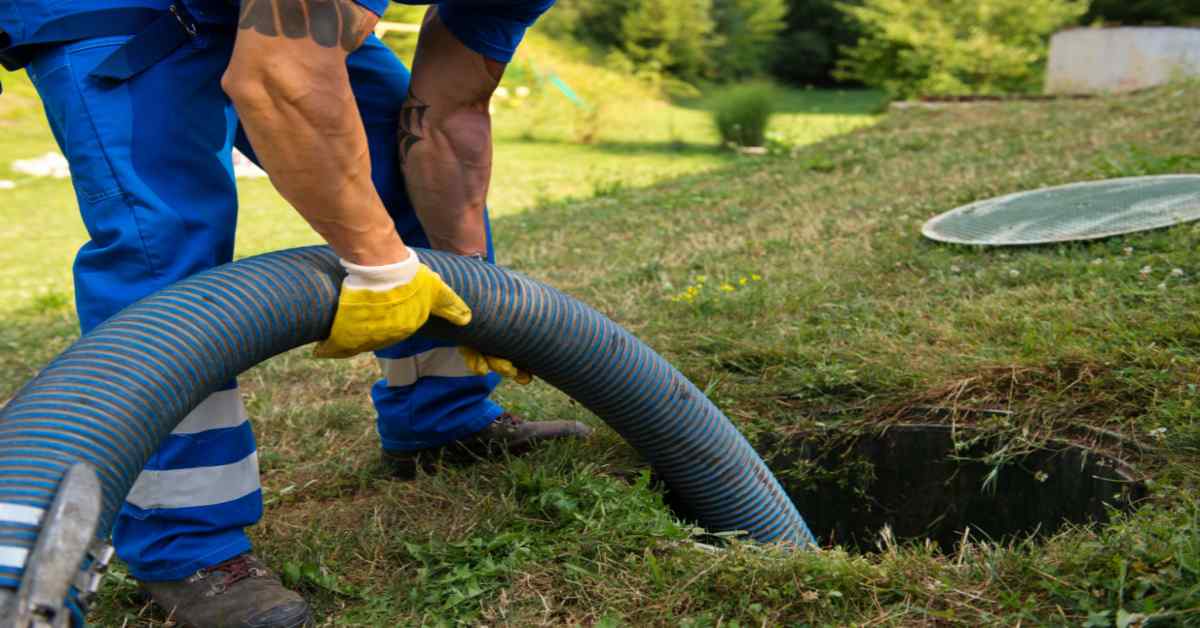
Following the assessment, the technician will use a specialized vacuum truck to pump out the contents of the tank, removing both liquid and solid waste. It’s vital that this step is performed carefully to prevent damage to the tank or associated components. After emptying the tank, technicians typically clean the tank’s interior and check for any signs of damage, such as cracks or corrosion, that may require prompt attention. Finally, the technician will refill the tank with water, restoring its function before sealing it back up securely.
Upon completing the cleaning process, homeowners will often receive a report outlining the condition of the septic system and recommendations for any necessary follow-up actions. This comprehensive approach is not only effective in handling immediate needs but also facilitates ongoing maintenance that can extend the system’s lifespan.
Innovative Technologies in Septic Maintenance
Technology is continuously evolving, and septic system maintenance is no exception. One of the most cutting-edge innovations in the industry includes advanced inspection techniques like camera inspections, where specialized cameras are inserted into the drain lines to provide real-time visuals of the system’s interior. This non-invasive approach can highlight issues such as blockages or leaks without extensive excavation.
Additionally, modern pumping trucks often feature advanced filtration systems that minimize the environmental impact of waste disposal. Many are designed to optimize waste treatment and lessen the risk of harmful substances entering the environment. Furthermore, some companies are utilizing automation for maintenance scheduling and reminders, allowing homeowners to stay informed about when their next cleaning or inspection should occur.
The advent of substantiated tracking software also assists service providers in maintaining service records and optimizing schedules to ensure timely interventions, which can dramatically improve septic health and prolong the life of what is often an overlooked system.
What to Expect During a Professional Service Visit
During a professional service visit for septic tank cleaning, homeowners should expect a meticulous process that prioritizes efficiency and safety. Upon arrival, the technician will assess the area around the septic tank and inform the homeowner of the steps being taken. Safety is paramount; therefore, all necessary precautions will be observed to avoid accidents or damage.
The cleaning process will often begin with the technician locating and uncovering the access points of the septic tank. They will remove the lids carefully to prevent any damage while ensuring all safety measures are in place, such as venting the tank to mitigate buildup gases. Following this, the pumping process will commence, efficiently extracting the waste while monitoring for any signs of other problems that require addressing. Throughout the visit, professional technicians will communicate with homeowners, explaining their findings and recommendations clearly and concisely.
At the conclusion of the service, homeowners can expect to receive advice on best practices moving forward, including any follow-up actions that should be taken based on what the technicians observed during their inspection. This comprehensive service ensures that you not only receive a clean tank but also knowledge on maintaining it to foster long-term functionality.
Maintaining Your Septic System Between Cleanings
Best Practices for Homeowners: Dos and Don’ts
Maintaining your septic system between cleanings is crucial for ensuring its health and efficiency. A pivotal “do” is to be mindful of what you flush down your toilets and pour down your drains. Only human waste, toilet paper, and approved waste should be flushed avoid any materials that might cause a clog or degrade the system, such as feminine hygiene products, cigarette butts, or paper towels. Regularly monitoring the state of your drains and drain field is another proactive measure, allowing you to spot potential issues early on.
A significant “don’t” is disregarding regular inspections and cleanings. Depending on your household size and usage, most experts recommend annual inspections and septic tank cleaning every three to five years. Additionally, avoid overloading the system by spreading out laundry loads instead of washing multiple loads back-to-back, which can strain your septic system. Another major “don’t” is planting trees too close to your septic system; roots can infiltrate the system and cause extensive damage.
By adhering to these dos and don’ts, homeowners can adopt proactive measures that focus on preventing issues, ultimately prolonging the lifespan of the septic system.
Common Household Products to Avoid for Septic Health
Certain commonplace household products can significantly harm the health of your septic system, so it’s essential to be vigilant about their use. Harsh chemicals, such as bleach, acids, and drain cleaners, can disrupt the delicate microbial balance necessary for effective waste breakdown. These chemicals can kill beneficial bacteria that are critical to keeping your septic system functioning correctly, leading to inefficiencies and potential system failure.
Additionally, avoid using antibacterial soaps and cleansing products, which may also eliminate essential bacteria. Even seemingly harmless items like cooking oils can lead to clogs and deteriorate system function. Delicate balance maintenance is key to ensuring effective waste processing, so reading product labels carefully and opting for septic-safe versions is advisable.
In sum, being conscientious about the products used in and around your septic system can save homeowners significant costs and headaches down the line.
Tips for Extending the Life of Your Septic System
Extending the life of your septic system requires a proactive approach and a commitment to responsible management. A cornerstone of longevity is regular maintenance and timely cleanings; staying ahead of sludge buildup can prevent costly repairs and malfunctions. Homeowners should maintain a routine inspection schedule, ideally annually, to keep a close eye on the system’s health.
In addition, prioritizing water conservation can significantly benefit your septic system. Excess water entering the tank can overwhelm it, leading to system failures. Simple modifications like fixing leaks, using water-efficient fixtures, and staggering laundry loads can support your septic system. Furthermore, consider adding organic material to promote healthy bacteria growth this can enhance the system’s ability to treat waste efficiently.
Implementing these strategies and staying informed can significantly impact the longevity of your septic system, making it a dependable component of your property for years to come.

Comments are closed.