
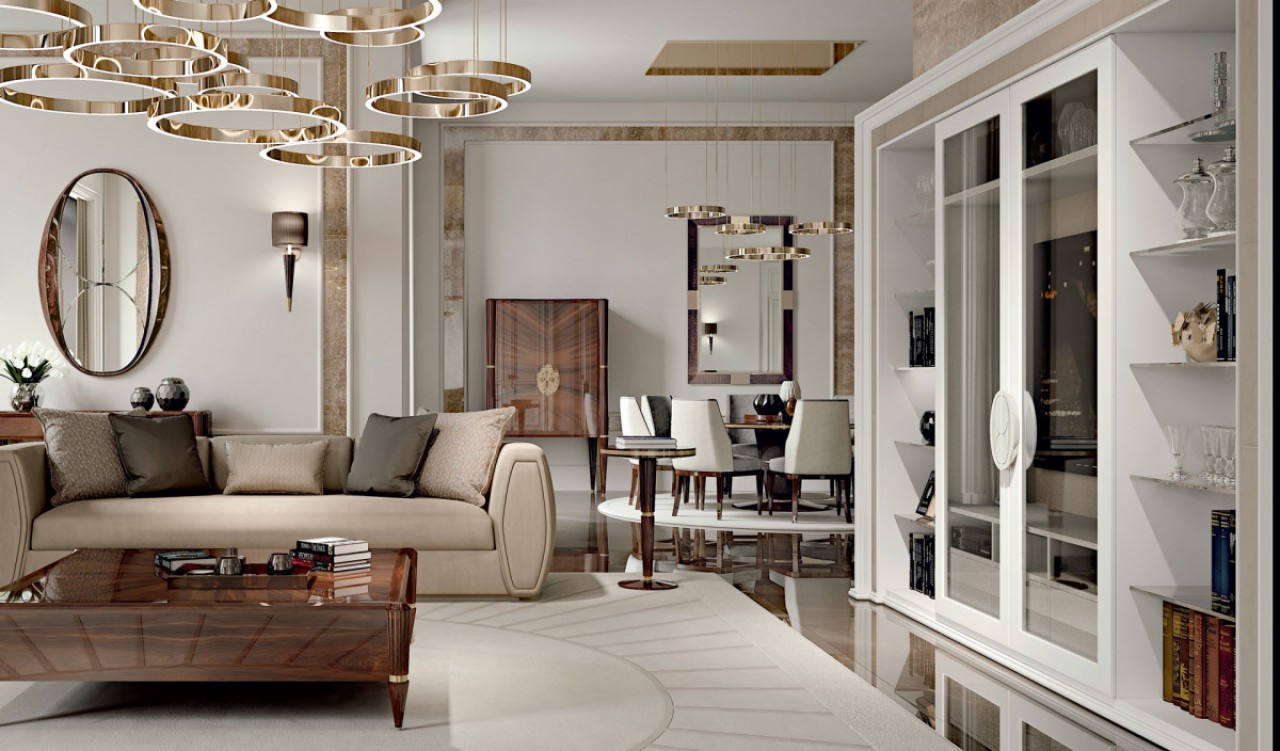

Furniture plays a central role in how spaces look, feel, and function. From a simple chair to a complete bedroom set, the right furniture balances comfort, durability, and style while supporting everyday activities. Whether for homes, offices, or commercial spaces, furniture reflects lifestyle choices and practical needs.
Understanding Furniture and Its Purpose
Furniture refers to movable objects designed to support various human activities such as sitting, sleeping, working, and storage. Beyond utility, furniture also contributes to the aesthetic identity of a space.
Key purposes of furniture include:
- Enhancing comfort and usability
- Organizing living and working environments
- Improving visual appeal
- Supporting health and posture
Well-chosen furniture adapts to both space limitations and personal preferences.
Major Types of Furniture
Different environments require different furniture categories, each designed for specific functions.
Residential Furniture
Residential furniture focuses on comfort and personal expression. Common examples include:
- Sofas and seating for living areas
- Beds and wardrobes for bedrooms
- Dining tables and chairs for shared meals
- Storage units such as cabinets and shelves
These pieces often blend style with everyday practicality.
Office Furniture
Office furniture emphasizes productivity and ergonomics. Typical items include:
- Work desks and office chairs
- Filing cabinets and storage systems
- Conference tables
- Modular workstations
Proper office furniture helps reduce fatigue and supports long working hours.
Outdoor Furniture
Outdoor furniture is designed to withstand weather conditions while offering comfort.
- Patio chairs and tables
- Garden benches
- Loungers and swings
Materials are usually chosen for durability and resistance to moisture and sunlight.
Common Furniture Materials
Furniture materials determine durability, maintenance needs, and visual appeal.
Wood
Wood remains one of the most popular furniture materials due to its strength and timeless look.
- Solid wood offers longevity
- Engineered wood provides affordability and consistency
Metal
Metal furniture is valued for its modern appearance and strength.
- Common in offices and outdoor settings
- Often combined with wood or glass
Upholstered Materials
Fabric and leather upholstery add comfort and texture.
- Fabric offers variety in color and pattern
- Leather provides a premium, long-lasting finish
Glass and Composite Materials
Glass furniture creates a sleek, open feel and is often used in tables and display units. Composite materials balance cost and performance.
Choosing the Right Furniture
Selecting furniture requires more than visual appeal. Practical factors should guide decisions.
Important considerations include:
- Available space and layout
- Comfort and ergonomic support
- Material quality and durability
- Maintenance requirements
- Budget and long-term value
Furniture that fits both space and purpose enhances daily living.
Furniture Trends Shaping Modern Spaces
Furniture design evolves with changing lifestyles and technology.
Current trends include:
- Minimalist and multifunctional designs
- Sustainable and eco-friendly materials
- Modular furniture for flexible layouts
- Neutral tones with natural textures
These trends prioritize efficiency without compromising style.
Care and Maintenance of Furniture
Proper care extends the life of furniture and preserves its appearance.
- Clean surfaces regularly using appropriate products
- Avoid direct sunlight to prevent fading
- Tighten fittings and joints periodically
- Use protective pads to prevent scratches
Routine maintenance keeps furniture functional and visually appealing.
Frequently Asked Questions (FAQs)
1. How do I choose furniture for small spaces?
Opt for compact, multifunctional furniture such as foldable tables, storage beds, and modular seating to maximize space efficiency.
2. What is the most durable furniture material?
Solid wood and metal are generally the most durable materials when properly maintained and used in suitable environments.
3. How often should furniture be replaced?
Quality furniture can last decades. Replacement depends on wear, functionality, and changing needs rather than time alone.
4. Is custom-made furniture worth the cost?
Custom furniture offers precise sizing and personalization, making it valuable for unique spaces or specific design requirements.
5. How can I maintain upholstered furniture?
Regular vacuuming, prompt stain removal, and professional cleaning when needed help maintain upholstered pieces.
6. What furniture works best for home offices?
Ergonomic chairs, adjustable desks, and adequate storage units provide comfort and organization for home workspaces.
7. How does furniture affect interior design?
Furniture sets the tone of a space, influencing color balance, flow, and overall atmosphere, making it a core element of interior design.

Comments are closed.