
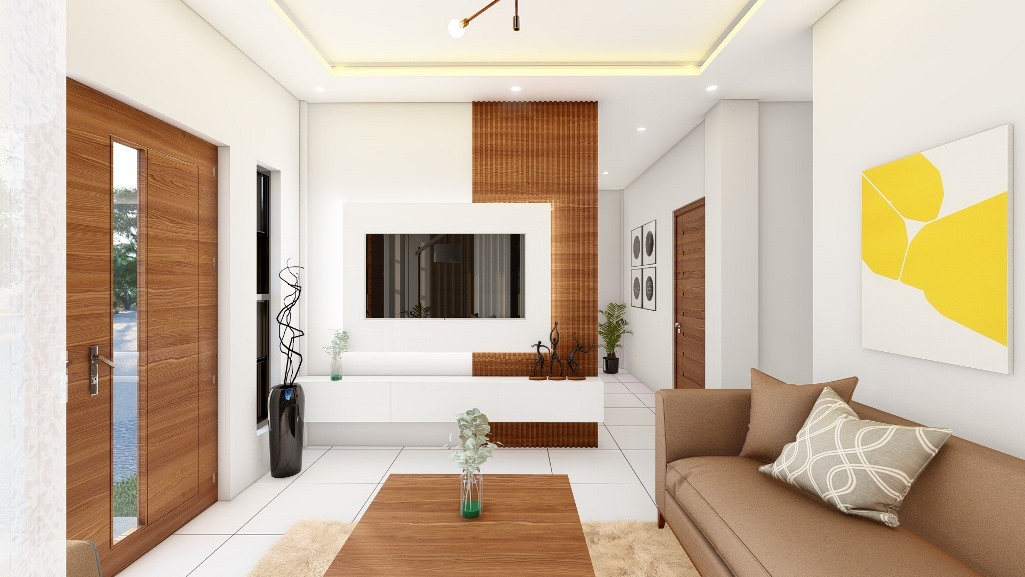

Interior design is more than decorating a room—it is the art and science of shaping spaces that support how people live, work, and feel. A well-designed interior balances functionality, aesthetics, and comfort, transforming ordinary rooms into meaningful environments that reflect personality and purpose.
From homes and offices to hospitality and retail spaces, interior design plays a crucial role in influencing mood, productivity, and overall well-being.
What Is Interior Design?
Interior design focuses on planning and enhancing interior spaces through the thoughtful use of layout, color, materials, lighting, and furnishings. It blends creativity with technical knowledge to ensure spaces are not only visually appealing but also practical and safe.
Key aspects include:
-
Space planning and layout
-
Color psychology and material selection
-
Lighting design
-
Furniture and décor integration
-
Acoustic and environmental comfort
Core Principles of Interior Design
Successful interior design relies on a few foundational principles that guide every decision.
Balance and Proportion
Balance ensures visual stability in a room. This can be:
-
Symmetrical balance for formal spaces
-
Asymmetrical balance for modern, dynamic interiors
-
Radial balance centered around a focal point
Harmony and Unity
A cohesive design connects colors, textures, and forms to create a seamless look. Repetition of patterns or materials helps establish unity without monotony.
Contrast and Emphasis
Contrast adds depth and interest by pairing opposites, such as light and dark or smooth and textured surfaces. Emphasis highlights focal points like feature walls, statement furniture, or artwork.
Popular Interior Design Styles
Interior design styles provide a framework for creating a consistent aesthetic.
Modern Interior Design
Characterized by clean lines, neutral colors, and minimal ornamentation. It emphasizes simplicity and open spaces.
Minimalist Design
Focused on the idea that less is more. This style prioritizes function, uncluttered layouts, and a restrained color palette.
Contemporary Design
Constantly evolving, contemporary interiors reflect current trends, combining comfort with modern elegance.
Classic and Traditional Design
Rich textures, ornate details, and timeless furniture define this style, offering warmth and sophistication.
The Role of Color in Interior Design
Color has a powerful psychological impact and sets the tone of a space.
-
Neutral tones create calm and flexibility
-
Warm colors add energy and intimacy
-
Cool colors promote relaxation and focus
-
Accent colors bring personality and visual interest
Choosing the right color palette can visually enlarge rooms, improve lighting effects, and enhance emotional comfort.
Lighting: The Unsung Hero of Interiors
Lighting shapes how a space looks and feels throughout the day.
Types of lighting used in interior design:
-
Ambient lighting for overall illumination
-
Task lighting for specific activities
-
Accent lighting to highlight design features
Layered lighting ensures both functionality and ambiance, adapting spaces to different moods and uses.
Sustainable Interior Design
Modern interior design increasingly emphasizes sustainability and eco-conscious choices.
Sustainable practices include:
-
Using natural and recycled materials
-
Choosing energy-efficient lighting
-
Incorporating indoor plants for better air quality
-
Designing for longevity rather than trends
Sustainable interiors not only benefit the environment but also create healthier living spaces.
Why Interior Design Matters
Thoughtful interior design:
-
Improves quality of life
-
Enhances productivity and comfort
-
Reflects personal identity
-
Adds long-term value to properties
Whether designing a home or a commercial space, interior design directly impacts how people interact with their surroundings.
FAQs About Interior Design
What is the difference between interior design and interior decorating?
Interior design involves structural planning, functionality, and technical elements, while decorating focuses mainly on aesthetics and furnishings.
How do I choose the right interior design style for my home?
Start by evaluating your lifestyle, preferences, and space constraints. Mixing styles is also possible when done thoughtfully.
Is interior design only for large spaces?
No. Interior design is especially valuable for small spaces, where smart planning can maximize function and visual openness.
How important is lighting in interior design?
Lighting is essential. It affects mood, visibility, and the overall perception of space more than almost any other element.
Can interior design increase property value?
Yes. Well-designed interiors often improve market appeal and can significantly boost resale value.
What are the current trends in interior design?
Popular trends include sustainable materials, multifunctional furniture, warm neutrals, and nature-inspired elements.
Do I need a professional interior designer?
While not mandatory, a professional designer brings expertise, saves time, avoids costly mistakes, and delivers cohesive results.

Comments are closed.