
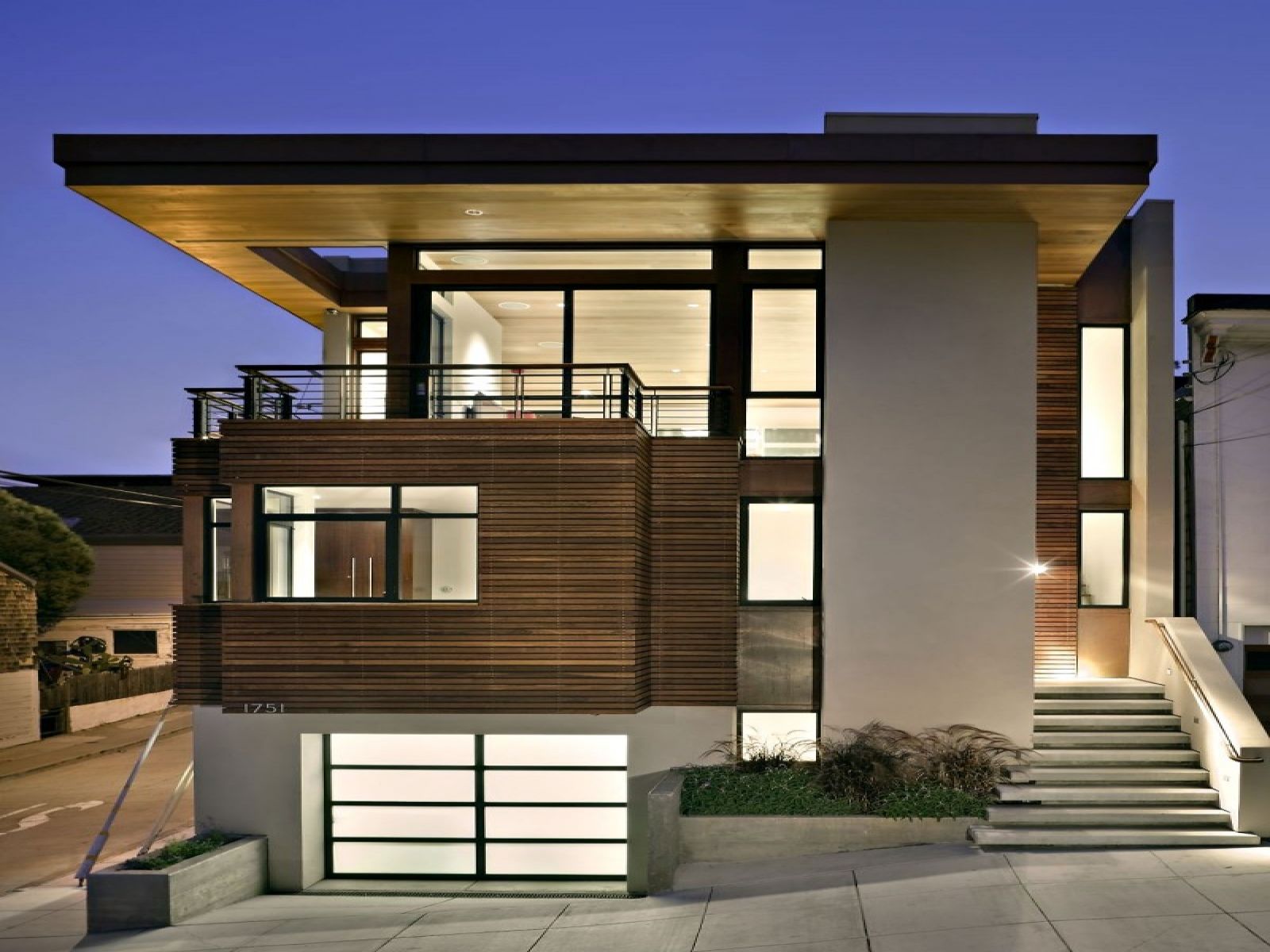

Architecture is more than the act of constructing buildings. It is a discipline that blends art, science, culture, and technology to shape the spaces where people live, work, and interact. From ancient temples carved in stone to sleek, sustainable skyscrapers, architecture reflects how societies think, evolve, and express their values.
Understanding Architecture at Its Core
At its foundation, architecture focuses on creating structures that are functional, durable, and meaningful. Every architectural work responds to human needs while adapting to its environment, climate, materials, and cultural context.
Key elements that define architecture include:
-
Functionality – How well a space supports its intended use
-
Aesthetics – Visual harmony, proportion, and form
-
Structure – Stability, safety, and engineering logic
-
Context – Relationship with surroundings and culture
Successful architecture balances all these elements without allowing one to overpower the others.
The Evolution of Architectural Styles
Architecture has continuously transformed alongside human civilization. Each era introduced new materials, construction techniques, and design philosophies.
Classical Architecture
Rooted in ancient civilizations, classical architecture emphasized symmetry, proportion, and order. Stone columns, pediments, and mathematical precision defined this style and influenced design for centuries.
Medieval and Vernacular Traditions
Medieval architecture introduced fortified structures, vaulted ceilings, and intricate craftsmanship. At the same time, vernacular architecture evolved locally, using available materials and climate-responsive designs tailored to everyday life.
Modern Architecture
Modern architecture emerged as a response to industrialization. It prioritized:
-
Clean lines and minimal ornamentation
-
Open floor plans
-
New materials like steel, glass, and reinforced concrete
This movement reshaped cities with functional and efficient designs.
Contemporary Architecture
Today’s architecture is diverse and experimental. Designers integrate technology, sustainability, and artistic expression to create buildings that are both innovative and socially responsible.
Architecture and Human Experience
Buildings directly influence how people feel and behave. Natural light, ventilation, scale, and spatial flow affect comfort, productivity, and emotional well-being.
Thoughtful architectural design can:
-
Encourage social interaction
-
Improve mental health through light and openness
-
Enhance accessibility and inclusivity
-
Strengthen a sense of identity and belonging
Architecture, when done well, becomes an invisible guide that supports daily life without demanding attention.
The Role of Sustainability in Modern Architecture
Sustainability has become a central concern in architectural practice. With growing environmental challenges, architects now aim to minimize ecological impact while maximizing efficiency.
Common sustainable strategies include:
-
Energy-efficient building envelopes
-
Passive design principles that reduce energy use
-
Renewable materials and recycled components
-
Green roofs and vertical gardens
These approaches help reduce carbon footprints and create healthier living environments.
Technology’s Influence on Architectural Design
Advancements in technology have transformed how architecture is conceived and constructed. Digital modeling, smart materials, and automation allow for greater precision and creativity.
Key technological impacts include:
-
3D modeling and visualization for better planning
-
Parametric design enabling complex forms
-
Smart buildings with automated systems
-
Faster, safer, and more efficient construction processes
Technology empowers architects to push boundaries while maintaining accuracy and efficiency.
Architecture as Cultural Expression
Architecture serves as a physical record of cultural identity. Religious buildings, civic spaces, and homes all tell stories about beliefs, values, and social structures.
Through architecture, societies express:
-
Power and authority
-
Spiritual beliefs
-
Innovation and progress
-
Community and tradition
This cultural dimension ensures that architecture remains deeply connected to human history.
The Future of Architecture
The future of architecture lies in adaptability and responsibility. As urban populations grow and resources become limited, architects must design spaces that are flexible, resilient, and environmentally conscious.
Emerging trends include:
-
Adaptive reuse of existing structures
-
Modular and prefabricated construction
-
Climate-responsive and net-zero buildings
-
Human-centered design driven by data and research
Architecture will continue evolving, but its core mission remains the same: to improve the quality of human life through thoughtful design.
Frequently Asked Questions (FAQ)
1. What is the primary purpose of architecture?
The main purpose of architecture is to create functional, safe, and meaningful spaces that support human activities and enhance quality of life.
2. How does architecture differ from construction?
Architecture focuses on design, planning, and conceptual thinking, while construction deals with the physical process of building those designs.
3. Why is sustainability important in architecture today?
Sustainability helps reduce environmental impact, conserve resources, and create healthier spaces for current and future generations.
4. What skills are essential for an architect?
Key skills include creative thinking, technical knowledge, problem-solving, communication, and an understanding of materials and structures.
5. How does architecture influence human behavior?
Design elements like lighting, layout, and scale affect mood, productivity, social interaction, and overall well-being.
6. Can architecture adapt to climate change?
Yes, climate-responsive design strategies allow buildings to adapt through energy efficiency, resilient materials, and passive systems.
7. What trends are shaping the future of architecture?
Major trends include sustainable design, smart buildings, adaptive reuse, and technology-driven planning and construction.

Comments are closed.