
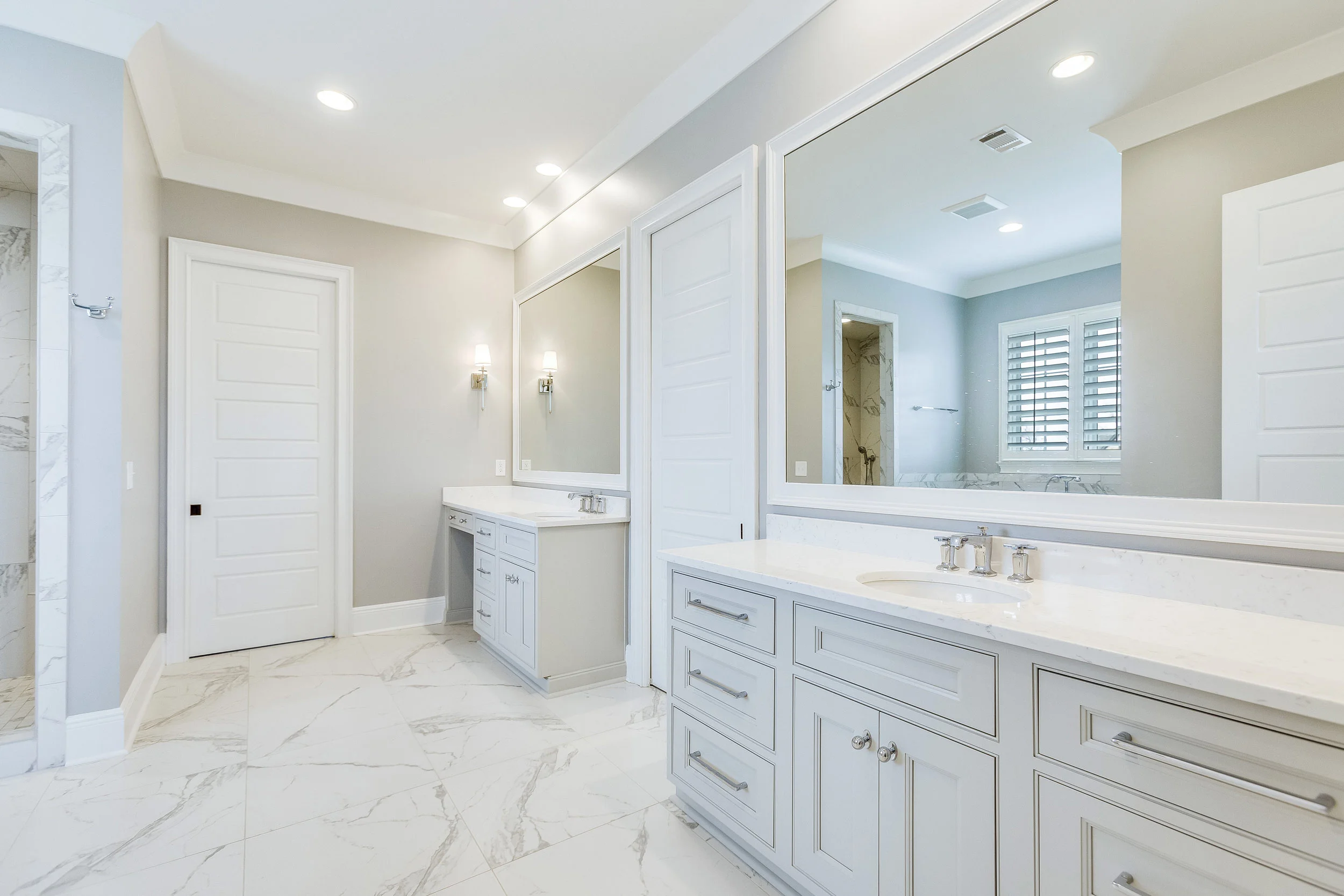

The bathroom is no longer just a functional area of the home. It has evolved into a personal retreat where comfort, hygiene, and design come together. Whether you are planning a full renovation or a simple upgrade, thoughtful bathroom design can significantly enhance daily routines and increase property value.
This guide explores essential bathroom elements, design ideas, materials, and practical tips to help you create a space that is both beautiful and efficient.
Understanding the Purpose of a Bathroom
A well-designed bathroom balances functionality, comfort, and aesthetics. Every decision—from layout to lighting—should support ease of use while creating a calm environment.
Key purposes of a bathroom include:
- Personal hygiene and wellness
- Relaxation and stress relief
- Efficient storage and organization
- Visual harmony with the rest of the home
Bathroom Layouts and Space Planning
Choosing the Right Layout
The layout sets the foundation for how your bathroom functions. Common bathroom layouts include:
- Full bathroom – Includes a shower, bathtub, toilet, and sink
- Three-quarter bathroom – Features a shower, toilet, and sink
- Half bathroom (powder room) – Contains only a toilet and sink
For smaller bathrooms, wall-mounted fixtures and sliding doors help maximize usable space.
Traffic Flow and Accessibility
Good bathroom design ensures:
- Clear walking paths
- Comfortable spacing between fixtures
- Easy access to storage and mirrors
Accessibility features such as walk-in showers, grab bars, and non-slip flooring are valuable additions for long-term usability.
Bathroom Fixtures and Fittings
Essential Bathroom Fixtures
High-quality fixtures improve both performance and longevity. Core bathroom fixtures include:
- Toilets with water-efficient flushing systems
- Sinks and vanities that combine storage with style
- Showers and bathtubs designed for comfort and durability
- Faucets that balance water pressure with efficiency
Choosing coordinated finishes—such as brushed nickel or matte black—creates a cohesive look.
Materials and Finishes for Bathrooms
Flooring and Wall Materials
Bathrooms require materials that can withstand moisture and frequent cleaning.
Popular choices include:
- Ceramic or porcelain tiles for durability and water resistance
- Natural stone for a luxurious appearance
- Waterproof vinyl flooring for budget-friendly renovations
Walls can be enhanced with tiles, moisture-resistant paint, or textured finishes for added depth.
Countertops and Surfaces
Common countertop materials include:
- Quartz for low maintenance and stain resistance
- Granite for natural beauty
- Solid surface materials for seamless designs
Bathroom Lighting and Ventilation
Lighting Layers for Function and Ambience
Effective bathroom lighting uses multiple layers:
- Task lighting around mirrors for grooming
- Ambient lighting for overall brightness
- Accent lighting to highlight design features
Warm lighting tones create a relaxing atmosphere, while cooler tones are better for precision tasks.
Importance of Proper Ventilation
Good ventilation prevents:
- Mold and mildew growth
- Excess humidity damage
- Lingering odors
Installing an efficient exhaust fan or window improves air quality and protects materials.
Storage Solutions for a Clutter-Free Bathroom
Smart storage keeps the bathroom organized without sacrificing style.
Effective storage ideas include:
- Vanity drawers with dividers
- Wall-mounted cabinets
- Open shelving for towels and décor
- Recessed niches in showers
Using vertical space is especially helpful in small bathrooms.
Bathroom Styles and Design Trends
Popular Bathroom Design Styles
Modern bathrooms reflect personal taste and lifestyle. Popular styles include:
- Minimalist bathrooms with clean lines and neutral colors
- Spa-inspired bathrooms featuring natural textures and soft lighting
- Traditional bathrooms with classic fixtures and warm tones
- Contemporary bathrooms blending modern design with comfort
Adding plants, textured towels, or statement mirrors can elevate any style.
Sustainability and Water Efficiency
Eco-friendly bathrooms reduce environmental impact while lowering utility costs.
Consider:
- Low-flow toilets and showerheads
- LED lighting
- Sustainable materials
- Water-saving faucets
These features provide long-term benefits without compromising performance.
Maintenance Tips for a Long-Lasting Bathroom
Regular maintenance keeps your bathroom looking and functioning its best.
Best practices include:
- Cleaning tiles and grout regularly
- Checking for leaks around fixtures
- Ensuring proper ventilation
- Sealing natural stone surfaces when needed
Proactive care helps avoid costly repairs over time.
Frequently Asked Questions (FAQs)
What is the best flooring option for a bathroom?
Porcelain and ceramic tiles are among the best options due to their water resistance, durability, and ease of maintenance.
How can I make a small bathroom feel larger?
Using light colors, large mirrors, wall-mounted fixtures, and proper lighting can visually expand a small bathroom.
How often should bathroom ventilation fans be used?
Ventilation fans should be used during and after showers for at least 20 minutes to reduce moisture buildup.
What are the most important features in a modern bathroom?
Key features include efficient storage, water-saving fixtures, layered lighting, and a well-planned layout.
Is a bathtub necessary in every bathroom?
No, many modern bathrooms replace bathtubs with spacious walk-in showers, especially when space is limited.
How can I improve bathroom lighting without renovation?
Upgrading light fixtures, switching to LED bulbs, and adding mirror-mounted lights can significantly improve lighting.
What materials are easiest to maintain in a bathroom?
Quartz countertops, porcelain tiles, and moisture-resistant paints are among the easiest materials to maintain.

Comments are closed.