
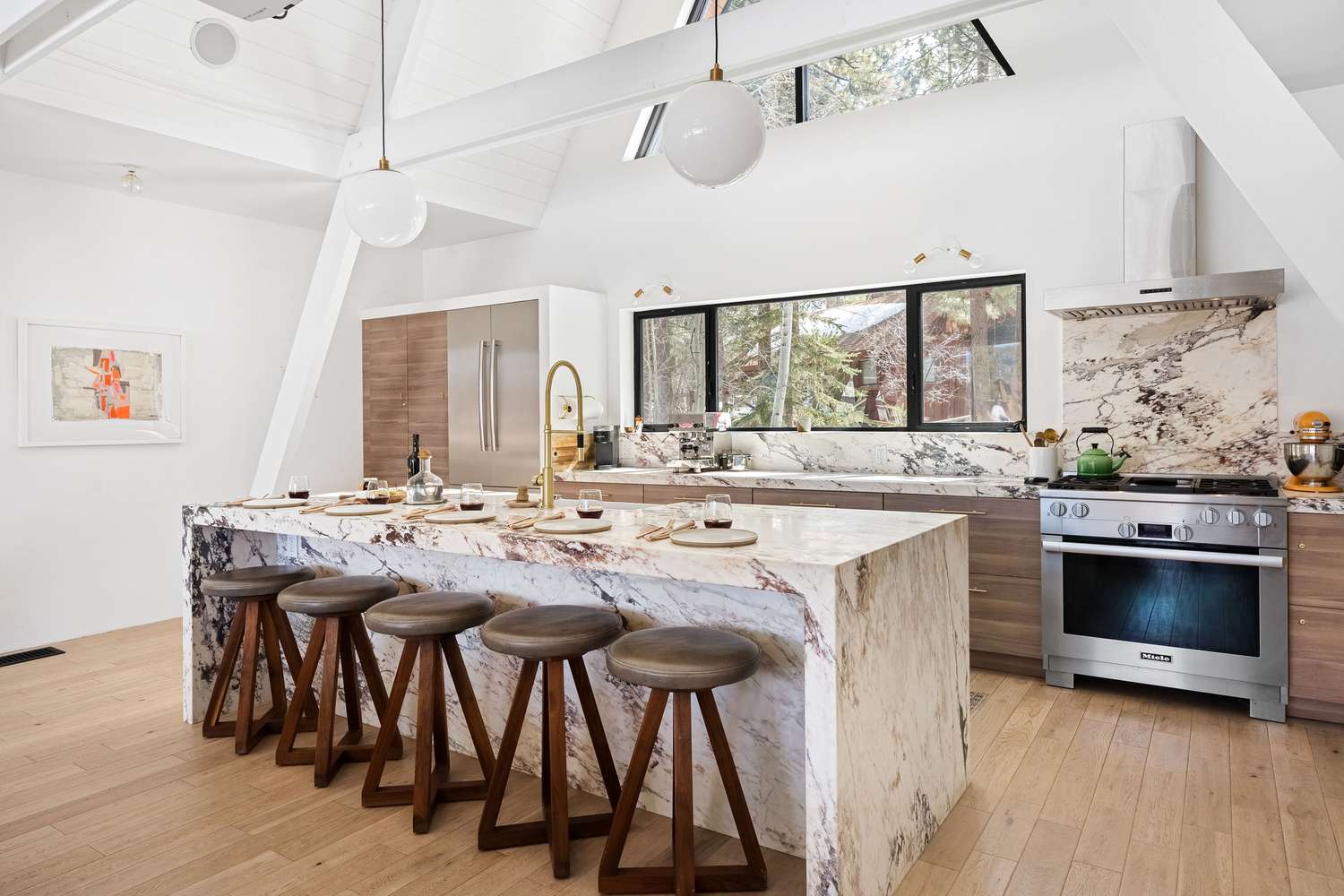

The kitchen is more than a place to cook. It is a central hub where meals are prepared, conversations unfold, and daily routines begin and end. A well-designed kitchen balances functionality, comfort, and aesthetics, making it one of the most valuable spaces in any home.
Modern kitchens reflect lifestyle choices, cooking habits, and even cultural preferences. From compact urban apartments to spacious family homes, the kitchen adapts to the needs of those who use it most.
The Purpose of a Kitchen in Everyday Life
A kitchen serves multiple roles beyond food preparation. It supports organization, efficiency, and social interaction while influencing overall home value.
Key purposes include:
-
Meal preparation and cooking
-
Food storage and preservation
-
Family gatherings and informal dining
-
Creative experimentation with recipes
-
Daily household routines
When designed thoughtfully, the kitchen becomes a seamless extension of everyday living.
Types of Kitchen Layouts
Choosing the right layout is essential for workflow and comfort. The layout determines how easily you can move between cooking, cleaning, and storage areas.
Common Kitchen Layouts
-
L-shaped kitchen – Ideal for small to medium spaces, offering flexibility and openness
-
U-shaped kitchen – Maximizes storage and counter space for frequent cooking
-
Galley kitchen – Efficient and compact, perfect for narrow areas
-
Island kitchen – Adds workspace, seating, and visual appeal
-
Open kitchen – Connects cooking with living or dining areas for social interaction
Each layout can be customized to match both space constraints and personal preferences.
Essential Elements of a Well-Designed Kitchen
A functional kitchen relies on carefully selected components that work together harmoniously.
Core Kitchen Components
-
Cabinetry for organized storage
-
Countertops that withstand heat, moisture, and daily use
-
Appliances such as stoves, refrigerators, and dishwashers
-
Lighting for both tasks and ambiance
-
Ventilation to maintain air quality and comfort
The balance of these elements determines how efficient and enjoyable the kitchen feels.
Kitchen Materials and Finishes
Materials play a significant role in durability, maintenance, and visual appeal. Choosing the right finishes can elevate the kitchen’s overall look.
Popular material choices include:
-
Quartz and granite countertops for strength and elegance
-
Wood or laminate cabinets for warmth and versatility
-
Ceramic or porcelain tiles for easy cleaning
-
Stainless steel accents for a modern, professional touch
Selecting materials that suit your cooking habits ensures long-term satisfaction.
Smart Storage and Organization Ideas
A clutter-free kitchen improves efficiency and reduces stress during meal preparation.
Effective storage solutions:
-
Pull-out drawers and corner units
-
Vertical shelving for small kitchens
-
Drawer organizers for utensils
-
Overhead cabinets for rarely used items
-
Dedicated pantry spaces
Good organization transforms even compact kitchens into highly usable spaces.
Modern Trends in Kitchen Design
Kitchen design continues to evolve with technology and lifestyle changes. Today’s kitchens focus on convenience, sustainability, and personalization.
Current trends include:
-
Minimalist designs with clean lines
-
Smart appliances with digital controls
-
Neutral color palettes with bold accents
-
Eco-friendly materials and energy-efficient lighting
-
Multifunctional islands with seating and storage
These trends enhance both usability and visual harmony.
The Importance of Lighting in the Kitchen
Lighting affects how the kitchen looks and functions. A combination of lighting types creates a balanced environment.
Recommended lighting layers:
-
Task lighting for countertops and cooking areas
-
Ambient lighting for overall brightness
-
Accent lighting to highlight design features
Proper lighting improves safety, efficiency, and mood.
Maintaining a Clean and Efficient Kitchen
Regular maintenance extends the life of kitchen surfaces and appliances while keeping the space hygienic.
Basic maintenance tips:
-
Wipe surfaces daily to prevent stains
-
Clean appliances regularly
-
Organize cabinets every few months
-
Check ventilation systems periodically
A clean kitchen supports healthier cooking and a more pleasant atmosphere.
Frequently Asked Questions (FAQ)
What is the most efficient kitchen layout for small spaces?
Galley and L-shaped kitchens are often the most efficient for small spaces due to their compact and practical design.
How can I make my kitchen look bigger?
Using light colors, reflective surfaces, good lighting, and minimal clutter can make a kitchen feel more spacious.
What countertop material is best for daily cooking?
Quartz is highly durable, low-maintenance, and resistant to stains, making it ideal for everyday use.
How often should kitchen cabinets be cleaned?
Light cleaning should be done weekly, while deep cleaning every three to six months helps maintain hygiene and appearance.
Are open kitchens suitable for all homes?
Open kitchens work best for homes where cooking odors and noise can be managed with proper ventilation and layout planning.
What type of lighting is most important in a kitchen?
Task lighting is the most important, as it ensures safety and precision during food preparation.
How can I improve kitchen storage without remodeling?
Adding drawer organizers, vertical racks, and pull-out shelves can significantly improve storage without major renovations.

Comments are closed.