
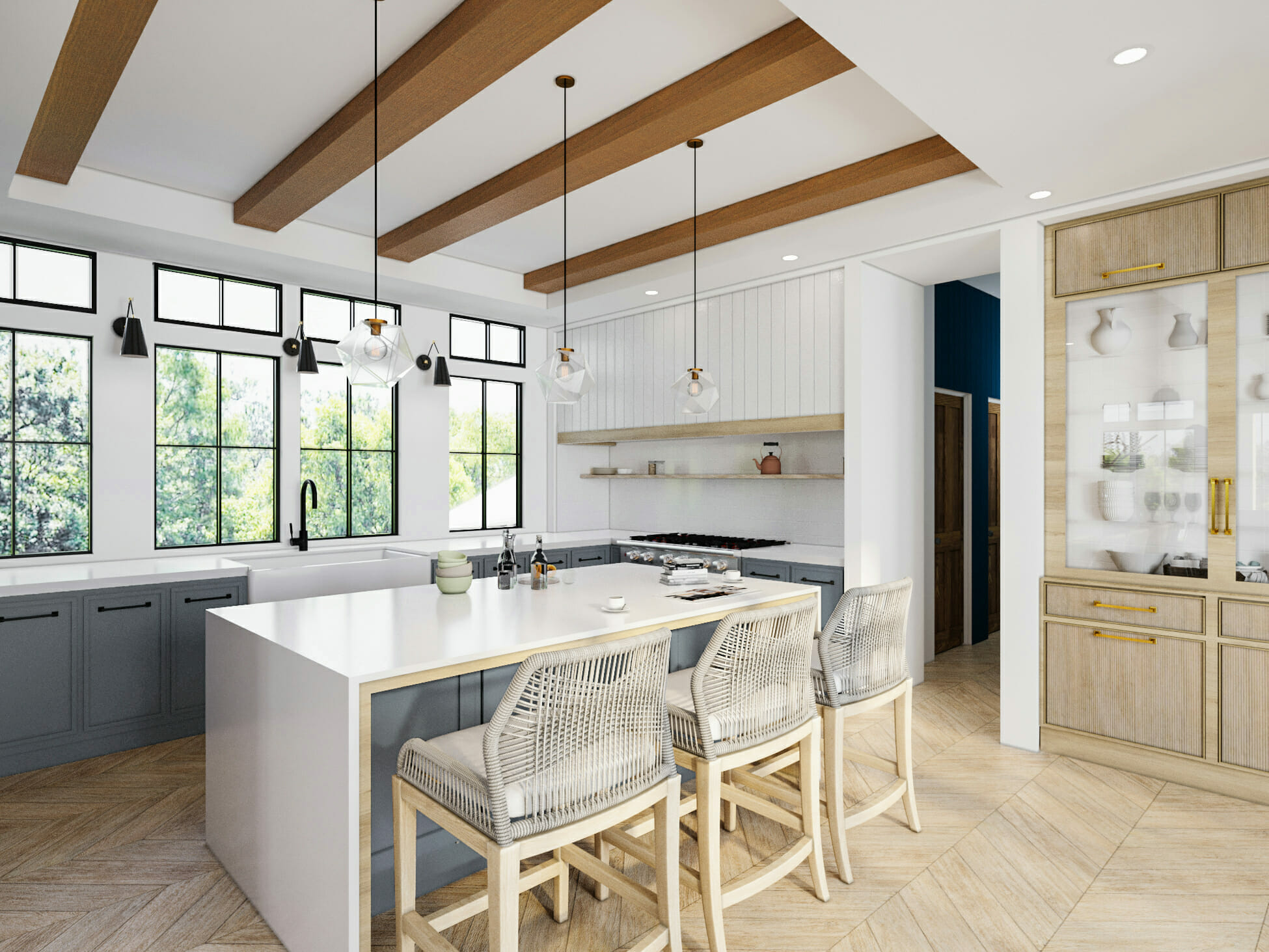

Remodeling is more than a cosmetic upgrade—it’s a strategic investment in how a space functions, feels, and supports daily life. Whether you’re refreshing a single room or reimagining an entire property, thoughtful remodeling can improve comfort, increase property value, and adapt a home or workspace to changing needs.
What Remodeling Really Means
At its core, remodeling involves altering the structure, layout, or design of an existing space. Unlike basic repairs, remodeling focuses on transformation. This may include changing floor plans, upgrading systems, or modernizing finishes to align with current lifestyles and technologies.
Common remodeling projects include:
-
Kitchen and bathroom upgrades
-
Basement finishing
-
Room additions
-
Interior layout reconfiguration
-
Exterior improvements
Why Remodeling Is Worth the Investment
A well-planned remodel delivers benefits that go beyond aesthetics. It enhances how a space performs while aligning it with long-term goals.
Key Benefits of Remodeling
-
Improved functionality: Optimize layouts for better flow and usability
-
Increased property value: Updated homes often command higher resale prices
-
Energy efficiency: New materials and systems reduce utility costs
-
Personalization: Design spaces that reflect your taste and routines
-
Structural longevity: Address outdated or failing components proactively
Popular Remodeling Projects and Their Impact
Different remodeling projects serve different purposes. Understanding their value helps prioritize where to invest.
Kitchen Remodeling
The kitchen is often the heart of the home. Remodeling this space can dramatically improve daily living.
Common upgrades include:
-
Custom cabinetry and storage solutions
-
Energy-efficient appliances
-
Durable countertops like quartz or granite
-
Improved lighting and ventilation
A modern kitchen remodel often delivers one of the highest returns on investment.
Bathroom Remodeling
Bathrooms benefit from upgrades that balance comfort and practicality.
Typical improvements:
-
Walk-in showers or soaking tubs
-
Water-saving fixtures
-
Updated tile and flooring
-
Better lighting and ventilation
Even modest bathroom remodels can significantly enhance resale appeal.
Whole-Home Remodeling
For older properties, whole-home remodeling provides a cohesive update.
This may involve:
-
Reconfiguring floor plans
-
Updating electrical and plumbing systems
-
Replacing flooring throughout
-
Enhancing insulation and windows
Whole-home remodels are ideal for adapting a property to modern standards without relocating.
Planning a Successful Remodeling Project
Successful remodeling begins long before construction starts. Careful planning minimizes surprises and maximizes results.
Define Your Goals
Be clear about why you’re remodeling. Are you improving resale value, accommodating a growing family, or enhancing daily comfort?
Set a Realistic Budget
Include:
-
Construction costs
-
Design and permit fees
-
Materials and finishes
-
A contingency fund for unexpected issues
Prioritize Function Over Trends
While trends can inspire, timeless design choices often age better and provide longer-lasting value.
Choosing Materials That Last
Material selection plays a major role in durability and maintenance.
Smart material choices include:
-
Engineered hardwood or luxury vinyl flooring
-
Quartz countertops for low maintenance
-
Moisture-resistant drywall in bathrooms
-
Energy-efficient windows and doors
Balancing quality with budget ensures the remodel stands the test of time.
Remodeling vs. Renovation: Understanding the Difference
These terms are often used interchangeably, but they are not the same.
-
Remodeling: Changes the structure or function of a space
-
Renovation: Restores or updates existing features without altering layout
Knowing the distinction helps clarify project scope and expectations.
Common Remodeling Mistakes to Avoid
Even well-intentioned projects can face setbacks. Awareness helps prevent costly errors.
Avoid these pitfalls:
-
Underestimating the budget
-
Skipping professional design input
-
Choosing low-quality materials to save money
-
Ignoring permits and building codes
-
Focusing only on aesthetics, not function
The Long-Term Value of Thoughtful Remodeling
Remodeling is not just about immediate results—it’s about creating spaces that evolve with your life. When done correctly, a remodel improves daily experiences, boosts efficiency, and protects your investment for years to come.
Frequently Asked Questions (FAQ)
1. How long does a typical remodeling project take?
Timelines vary by scope. A bathroom remodel may take a few weeks, while whole-home projects can last several months.
2. Is remodeling better than buying a new home?
Remodeling allows you to customize your current space and may be more cost-effective than purchasing and moving, depending on market conditions.
3. Can remodeling increase energy efficiency?
Yes. Upgrading insulation, windows, appliances, and HVAC systems can significantly reduce energy consumption.
4. Do I need permits for remodeling?
Many structural, electrical, or plumbing changes require permits. Requirements vary by location and project type.
5. How do I prioritize remodeling projects on a tight budget?
Focus on high-impact areas like kitchens, bathrooms, and energy-efficient upgrades that offer the best return.
6. What should I remodel first in an older home?
Start with essential systems such as plumbing, electrical, roofing, and insulation before cosmetic upgrades.
7. How can I make my remodel future-proof?
Choose flexible layouts, durable materials, and energy-efficient systems that adapt to changing needs and technologies.

Comments are closed.