

Renovation is more than updating appearances—it’s a strategic process that improves functionality, comfort, and long-term value. Whether you’re refreshing a single room or reworking an entire property, smart renovation decisions can dramatically change how a space looks and performs.
This guide walks through renovation fundamentals, planning strategies, common mistakes, and ways to maximize results without unnecessary costs.
What Renovation Really Means
Renovation involves repairing, updating, or improving an existing structure without altering its core purpose. Unlike remodeling, which often changes layout or function, renovation focuses on enhancement while preserving the original framework.
Common renovation goals include:
-
Restoring worn or outdated features
-
Improving energy efficiency
-
Enhancing comfort and usability
-
Increasing property resale value
Key Areas That Benefit Most From Renovation
Not all upgrades deliver the same return. Certain areas consistently offer higher impact both visually and financially.
Kitchen Renovation
The kitchen is often the most-used space in a home. Even minor upgrades can make a significant difference.
High-impact improvements include:
-
Cabinet refacing or replacement
-
Countertop upgrades
-
Modern lighting and fixtures
-
Energy-efficient appliances
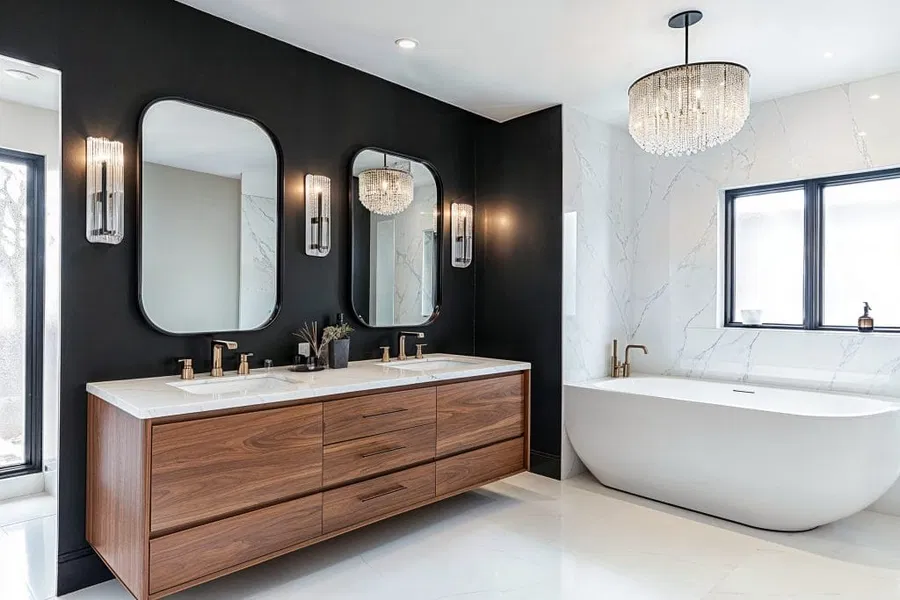
Bathroom Renovation
Bathrooms benefit from updates that combine practicality with comfort.
Popular upgrades:
-
Walk-in showers or modern tubs
-
Water-saving fixtures
-
Improved ventilation
-
Durable, moisture-resistant materials
Living and Bedroom Spaces
Renovating living areas enhances everyday comfort.
Effective changes:
-
Fresh paint with neutral tones
-
Updated flooring
-
Built-in storage solutions
-
Improved natural lighting
Planning a Successful Renovation
A well-planned renovation prevents budget overruns and delays.
Define Clear Objectives
Start by identifying why you are renovating. Is it for comfort, resale, or maintenance? Clear goals guide smarter decisions.
Set a Realistic Budget
Include:
-
Labor costs
-
Material expenses
-
Permits and inspections
-
A 10–15% contingency for unexpected issues
Prioritize Structural and Safety Updates
Before cosmetic changes, address:
-
Electrical wiring
-
Plumbing systems
-
Roofing and insulation
-
Foundation or moisture problems
Ignoring these can lead to costly repairs later.
Choosing the Right Materials
Material selection affects durability, maintenance, and long-term value.
Smart material choices focus on:
-
Longevity over trends
-
Easy maintenance
-
Energy efficiency
-
Compatibility with existing structures
For example, engineered wood or high-quality vinyl flooring can offer durability without the cost of solid hardwood.
Renovation Mistakes to Avoid
Even well-intentioned projects can go wrong without proper planning.
Common pitfalls include:
-
Underestimating total costs
-
Skipping professional advice when needed
-
Following trends without considering longevity
-
Over-renovating beyond neighborhood standards
Balanced upgrades that align with property value typically yield better returns.
Sustainability in Renovation
Eco-conscious renovation is no longer optional—it’s a smart investment.
Sustainable renovation options:
-
LED lighting and efficient HVAC systems
-
Low-VOC paints and finishes
-
Recycled or reclaimed materials
-
Improved insulation and window upgrades
These choices reduce utility costs and environmental impact while improving indoor comfort.
When to Hire Professionals
DIY works for small cosmetic updates, but larger renovations often require expertise.
Consider professional help for:
-
Structural modifications
-
Electrical or plumbing work
-
Load-bearing wall changes
-
Projects requiring permits
Professionals ensure safety, compliance, and quality workmanship.
Final Thoughts
Renovation is a powerful way to adapt a space to changing needs while protecting your investment. With careful planning, realistic budgeting, and thoughtful material choices, a renovation can deliver both immediate satisfaction and long-term value. The key lies in balancing aesthetics with function and planning every step before the first tool is lifted.
Frequently Asked Questions (FAQs)
1. How long does a typical renovation project take?
Timelines vary by scope, but small renovations may take weeks, while full-home renovations can last several months.
2. Is renovation cheaper than remodeling?
Yes, renovation is generally more cost-effective since it improves existing structures without major layout changes.
3. Should I renovate before selling my property?
Strategic renovations, especially kitchens and bathrooms, often increase resale value and buyer appeal.
4. How can I renovate on a tight budget?
Focus on cosmetic updates, reuse existing elements, prioritize essential repairs, and avoid unnecessary structural changes.
5. Do renovations always increase property value?
Not always. Value increases depend on project quality, market conditions, and avoiding over-renovation.
6. What renovation adds the most value?
Kitchen and bathroom upgrades typically offer the highest return on investment.
7. Can I live in my home during renovation?
It depends on the scale. Minor renovations are manageable, but major structural work may require temporary relocation.

Comments are closed.