
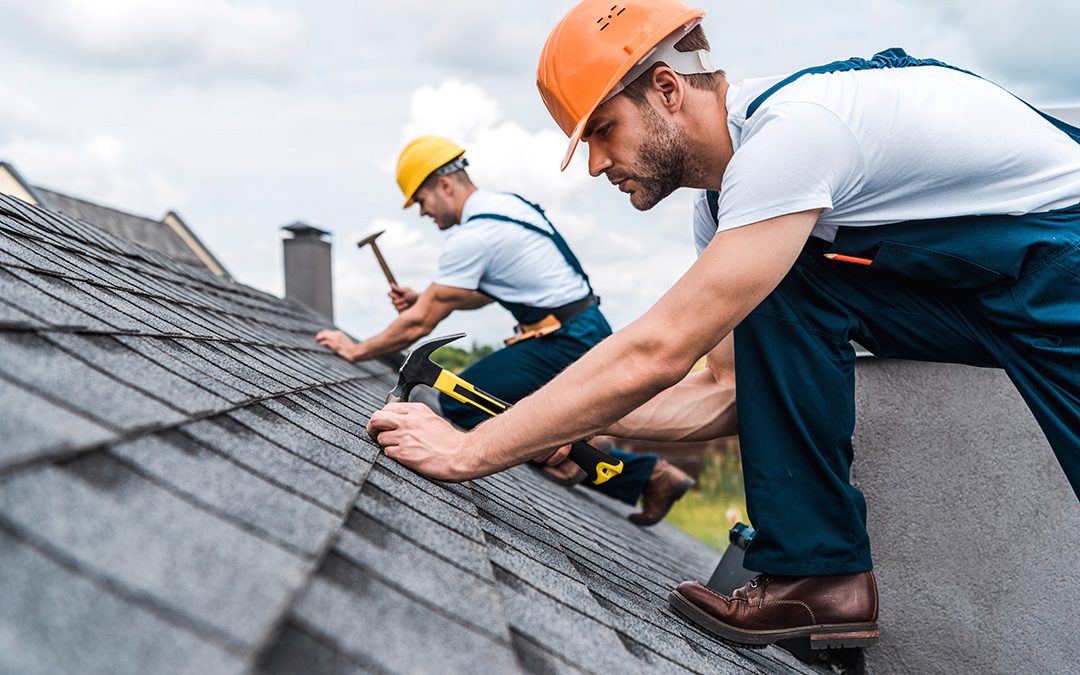

Roofing is one of the most critical components of any building, yet it’s often overlooked until problems arise. A well-designed and properly installed roof does far more than shield a structure from the elements—it enhances energy efficiency, increases property value, and ensures long-term durability. Understanding roofing systems, materials, and maintenance practices empowers homeowners and property managers to make informed decisions that pay off for decades.
What Is Roofing and Why It Matters
Roofing refers to the materials and construction methods used to cover and protect a building’s top structure. It serves as the first line of defense against rain, wind, heat, cold, and environmental wear.
A quality roofing system provides:
-
Weather resistance against rain, snow, and wind
-
Thermal insulation that improves indoor comfort
-
Structural protection for walls, ceilings, and interiors
-
Aesthetic appeal that complements architectural style
Neglecting roofing issues can lead to leaks, mold growth, structural damage, and costly repairs.
Common Types of Roofing Materials
Choosing the right roofing material depends on climate, budget, building design, and maintenance preferences. Below are some widely used options.
Asphalt Shingles
One of the most popular choices for residential roofing.
-
Affordable and easy to install
-
Available in various colors and styles
-
Average lifespan of 20–30 years
Metal Roofing
Known for durability and modern appearance.
-
Resistant to fire, wind, and pests
-
Reflects sunlight, improving energy efficiency
-
Can last 40–70 years with minimal maintenance
Tile Roofing
Often seen in Mediterranean and coastal designs.
-
Extremely durable and weather-resistant
-
Heavy, requiring strong structural support
-
Lifespan can exceed 50 years
Flat and Low-Slope Roofing
Common in commercial buildings and modern homes.
-
Uses membranes like TPO, EPDM, or modified bitumen
-
Allows space for HVAC systems or solar panels
-
Requires proper drainage to prevent water pooling
The Roofing Installation Process
Understanding the installation process helps set realistic expectations and ensures quality workmanship.
Inspection and Preparation
-
Assessment of existing roof condition
-
Removal of damaged or old materials
-
Evaluation of decking and structural integrity
Underlayment and Flashing
-
Installation of moisture barriers
-
Flashing added around chimneys, vents, and edges
-
Prevents leaks in vulnerable areas
Material Installation
-
Roofing material applied according to manufacturer standards
-
Proper alignment and fastening are essential
-
Ventilation components installed to regulate airflow
Final Inspection
-
Quality check for workmanship and sealing
-
Cleanup of debris and leftover materials
-
Confirmation of warranty coverage
Signs You May Need Roof Repair or Replacement
Ignoring early warning signs can lead to extensive damage. Pay attention to the following indicators.
-
Missing, cracked, or curling shingles
-
Water stains on ceilings or walls
-
Sagging roof sections
-
Granules collecting in gutters
-
Rising energy bills due to poor insulation
Timely repairs often extend roof life, while widespread damage may require full replacement.
Roofing Maintenance Best Practices
Routine maintenance is the key to maximizing roof lifespan and avoiding unexpected expenses.
-
Schedule professional inspections at least once a year
-
Clear debris from gutters and roof surfaces
-
Trim overhanging tree branches
-
Address minor leaks immediately
-
Ensure proper attic ventilation
Consistent care can add years to a roof’s functional life and preserve its protective qualities.
Energy Efficiency and Modern Roofing
Today’s roofing systems play a significant role in energy efficiency. Cool roofs, reflective coatings, and insulated materials reduce heat absorption, helping maintain stable indoor temperatures. This not only lowers energy bills but also reduces environmental impact.
Sustainable roofing options, including recycled materials and solar-ready designs, are increasingly popular among eco-conscious property owners.
Choosing the Right Roofing Contractor
A skilled contractor is just as important as the materials used.
When selecting a roofing professional, look for:
-
Proper licensing and insurance
-
Proven experience with your chosen material
-
Transparent estimates and timelines
-
Warranty coverage on labor and materials
-
Positive customer reviews and references
A reputable contractor ensures safety, compliance, and long-lasting results.
Frequently Asked Questions (FAQs)
How long does a typical roof last?
Roof lifespan varies by material. Asphalt shingles average 20–30 years, while metal and tile roofs can last 50 years or more with proper maintenance.
Can a new roof be installed over an old one?
In some cases, yes. However, installing over existing layers may hide damage and reduce lifespan. A full inspection is essential before deciding.
How often should a roof be inspected?
Professional inspections are recommended once a year and after severe weather events like storms or heavy snowfall.
Does roofing affect home insurance?
Yes. A well-maintained, durable roof can lower insurance premiums, while an aging or damaged roof may increase them.
What is the best roofing material for extreme weather?
Metal and impact-resistant shingles perform well in extreme conditions due to their durability and wind resistance.
Is roof ventilation really necessary?
Proper ventilation prevents heat and moisture buildup, reducing the risk of mold, structural damage, and premature material failure.
How long does a roof installation usually take?
Most residential roofing projects take one to three days, depending on size, material, and weather conditions.

Comments are closed.